Flamenco Museums
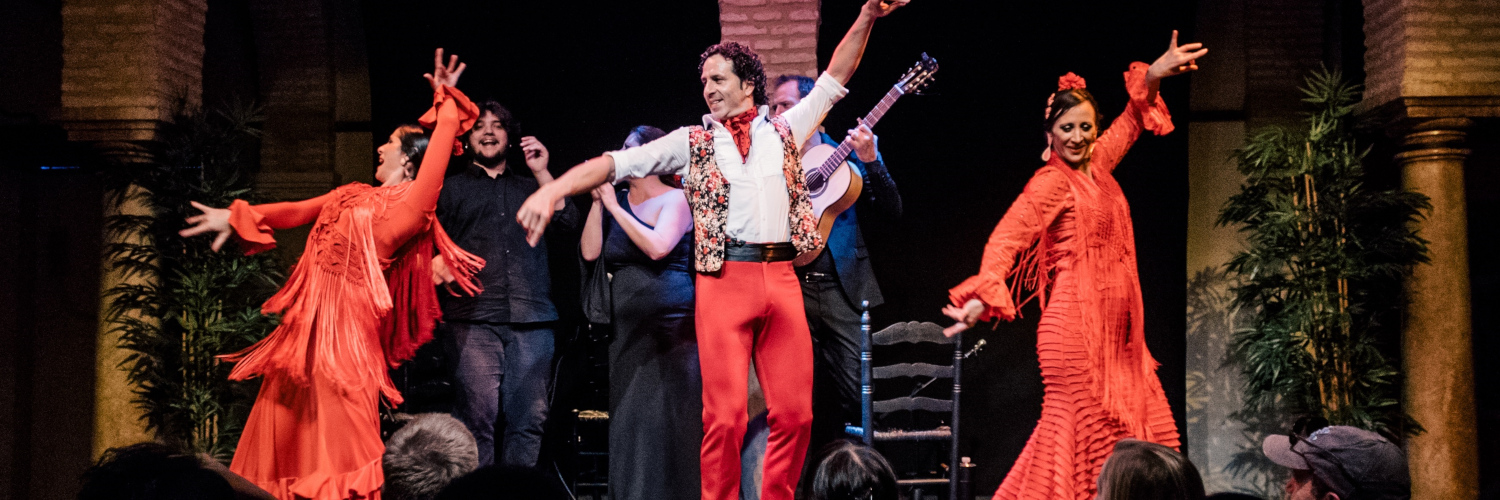
Across Spain, a handful of venues take this idea even further by combining live flamenco with museum spaces that preserve its history. These venues offer visitors a rare opportunity: to experience the art form on stage and as well as explore the instruments, costumes, documents, and stories that shaped it. Whether it’s a tablao that houses a historic guitar collection or a cultural center that doubles as an exhibition gallery, these spaces reveal true flamenco heritage.
Seville
Museo del Baile Flamenco
The Flamenco Dance Museum is perhaps one of the most technologically advanced museums in Spain. Through its interactive displays, visitors can learn about the origins and evolution of flamenco, discover influences from other cultures, and explore the richness of its styles and artifacts from different eras that tell the story of its artists and history over the past two centuries. A giant semicircular screen allows visitors to immerse themselves in an authentic flamenco choreography. The second floor is the museum’s art space: temporary and interactive exhibitions showcase the influence of flamenco on artistic disciplines such as painting, drawing, and sculpture by national and international artists from France, the U.S., Germany, Poland, Israel, Korea, and China, among others. More information >
El Palacio Andaluz
El Palacio Andaluz houses the Flamenco Dress Museum, an exhibition that invites visitors to explore the history and evolution of the flamenco dress from its origins to the present day. This iconic garment is a symbol of Andalusian culture and is unique among regional costumes for evolving each year in line with contemporary fashion trends. This is the only museum in the world dedicated exclusively to tracing the development of the flamenco dress, displaying pieces that span from the 19th century to today. Each dress reflects the spirit of its era—from traditional rural attire to modern creations by renowned national and international designers, including a spectacular long‑tailed gown. The museum also recreates an authentic flamenco fashion atelier, one of its most intimate spaces, where visitors can discover the craftsmanship behind each design. Admission to the museum is complimentary for guests attending the show. More information >
Casa de la Memoria
Casa de la Memoria is a cultural center, museum, and flamenco tablao. Inside, it features several rooms that serve as art galleries and exhibition spaces, where visitors can explore temporary displays as well as the center’s private collection of artworks, artifacts, and historical documents. As a flamenco cultural institution, Casa de la Memoria also hosts additional flamenco‑related activities that form part of the museum located within the same building. Visitors can also browse flamenco‑themed gifts and souvenirs at the Casa de la Memoria shop. More information >
Casa de la Guitarra
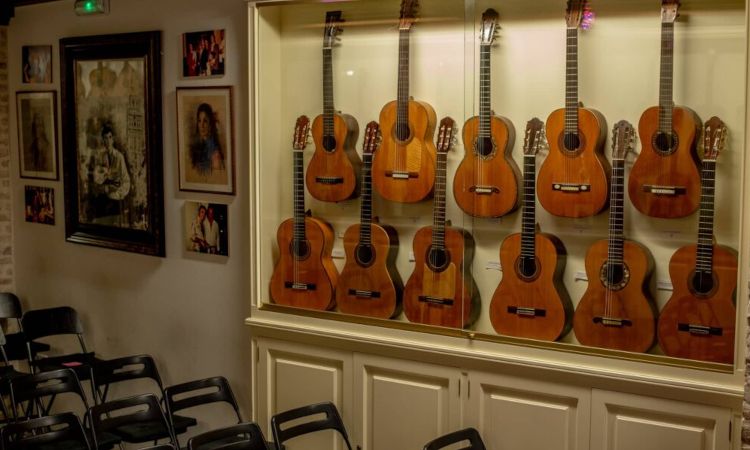
José Luis Postigo, patriarch and founder of Casa de la Guitarra, was born in Seville and raised in the Amate neighborhood, where his father ran a tavern frequented by flamenco aficionados. Inside Casa de la Guitarra is the Seville Flamenco Guitar Museum, a cultural and educational space that invites visitors to explore the world of one of music’s most iconic instruments: the guitar. Its remarkable exhibition includes flamenco guitars dating back to the 19th century, forming one of the finest collections of its kind and giving the center the distinction of being the world’s first museum dedicated exclusively to the flamenco guitar. As well, several of the paintings displayed throughout the venue are works by members of José Luis Postigo’s own family. More information >
Barcelona
Flamenco Casa Sors
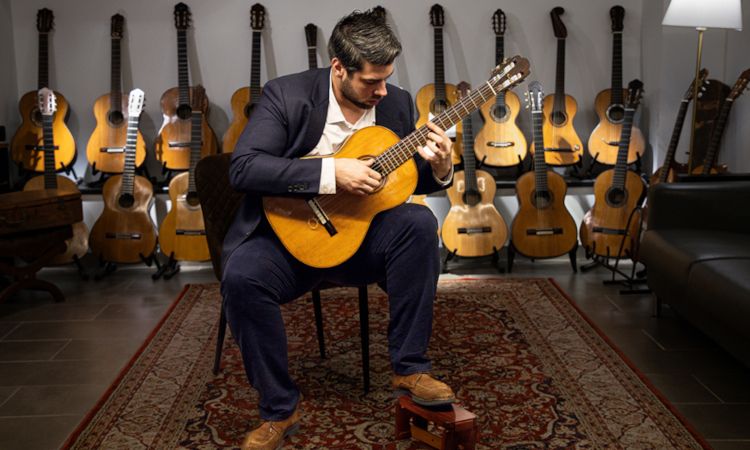
Casa Sors offers a unique journey through the history of the guitar, an exploration of the instrument’s evolution, supported by an impressive collection of guitars and historical documents. With a guided visit by the knowledgeable staff, visitors can delve into more than 50 years of dedication that has resulted in one of the most important guitar collections in existence, featuring masterpieces crafted by the greatest luthiers in history. The exceptional and rare guitars from around the world includes examples from Antonio de Torres, Vicente Arias, Santos Hernández, Manuel Ramírez, Enrique García, Marcelo Barbero, Domingo Esteso, Jaime Ribot, and many others. In total, the collection showcases the remarkable craftsmanship of over 100 world class guitars. More information >
Granada
Zambra María Canastera
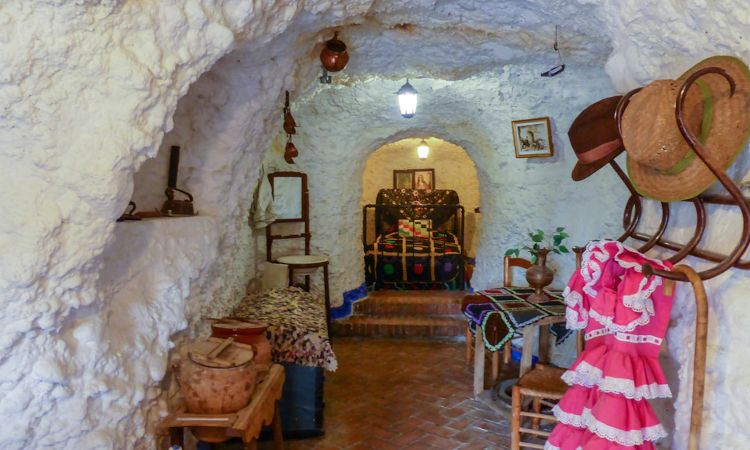
From a very young age, María Cortés Heredia—a dancer and singer known as “María la Canastera”—performed at the zambras in Sacromonte, where she became an accomplished artist, turning the zambra into both an artistic and personal vocation. For many years the doors of her home were open to the public, and the living room was transformed into a dance floor for people seeking an authentic Gypsy zambra. María’s family now maintains the cave home with the same care she did. The kitchen and two rooms have been preserved in their original state, and the site today is considered a cultural museum—an excellent example of a cave home in Granada. The cave homes of Sacromonte represent the history of a community that has managed to endure and transform adversity into a unique cultural expression, making flamenco a fundamental part of its identity and sharing it with the world. More information >
Tablao Flamenco Zawi
Zawi is a space that connects Granada’s Al-Andalus heritage with flamenco. The name “Zawi” itself refers to Zāwī ibn Zīrī, a figure associated with the Zirid dynasty and the period when Granada began to establish itself as an urban and political center in the early 11th century. Inside, various architectural and visual elements inspired by historic Granada and Al-Andalus have been recreated. Rather than a conventional historical museum, it serves as an immersive cultural space where the architecture, murals, and ambiance allow visitors to visually explore different periods of Granada’s history before experiencing the performance. The entire project is based on the concept of “Where the Two Granadas Dance”: uniting the Granada of Al-Andalus heritage with the Granada of flamenco, showcasing the dialogue and cultural fusion that has taken place in the city over the centuries. More information >
Malaga

Introduction to Flamenco Malaga
Introduction to Flamenco in the interactive center of Malaga is an innovative and complete experience that has been meticulously designed to allow visitors to discover and explore flamenco culture. Five interactive screens and the explanations of a passionate flamenco guide help transform any viewer into a crucial element of this flamenco adventure. Introduction to flamenco in the interactive center of Malaga is part of the space Alegria Flamenco and Gastronomy. More information >